Many Muslims, especially new Muslims and those who do not speak Arabic, often ask whether they can make dua in English. This is a very common and important question, as people sometimes wonder if dua must be in Arabic, whether Allah will accept prayers spoken in English, or if it is permissible to ask Allah in their own language. The simple and clear answer is yes, you can make dua in English and other languages.
Allah understands every language, every thought, and even the unspoken feelings of the heart. While certain forms of worship, such as Salah, include specific Arabic recitations, personal dua is more flexible and allows a person to speak directly to Allah in the language they are most comfortable with. This makes it easier for believers to express their needs, emotions, and sincerity without restriction.
This guide explains the Islamic ruling on making dua in English, when Arabic is preferred or recommended, and why Islam permits supplication in different languages.
What Is Dua in Islam?
Dua means calling upon Allah, asking Him for help, guidance, forgiveness, protection, or blessings. It is one of the most beloved and powerful acts of worship in Islam because it reflects a believer’s dependence on Allah in every aspect of life. The Prophet Muhammad (PBUH) said:
Arabic: الدُّعَاءُ هُوَ الْعِبَادَةُ
Transliteration: Ad-dua huwa al-ibadah
Translation: Dua is worship. – (Sunan al-Tirmidhi)
This means that when a Muslim makes dua, they are actively engaging in worship by showing humility, reliance, and trust in Allah.
Can I Make Dua in English?
Yes, absolutely. A Muslim can make dua in English or any language they understand. Allah is the Creator of all languages and is not limited by human speech, culture, or nationality. He understands every word, thought, and emotion, whether spoken aloud or kept in the heart. Allah says:
Arabic: وَهُوَ السَّمِيعُ الْعَلِيمُ
Transliteration: Wa huwa as-sami‘u al-‘alim
Translation: And He is the All-Hearing, All-Knowing.
This verse reminds us that Allah hears every sincere supplication, regardless of the language used. If a person speaks to Allah in English with sincerity, their dua is fully heard and understood.
This is especially important for new Muslims, children learning Islam, non-Arab Muslims, and those who are still learning Arabic. Islam is a universal religion meant for all people, not limited to any single language, ethnicity, or culture.
Dua Is Permissible in Other Languages
In Islam, making dua in any language is permissible because Allah understands all speech and knows what is in every heart. A person may call upon Allah in English, Urdu, or any language they are comfortable with. What matters most is sincerity, humility, and true connection with Allah.
Can Dua Be Made in Languages Other Than Arabic?
Yes, dua is permissible in any language. A person can ask Allah in English, Urdu, Turkish, French, Indonesian, Bengali, Spanish, or any other language they understand. Since dua is a personal conversation with Allah, what matters most is sincerity, humility, and asking from the heart. When someone speaks in their own language, it can even increase focus, emotional connection, and understanding, making the supplication more meaningful. Many scholars explain that outside of formal prayer, personal dua is flexible and not restricted to Arabic.
Does Dua Have to Be in Arabic?
No, personal dua does not have to be in Arabic. However, Arabic is recommended in certain contexts because Quranic duas and prophetic supplications are in Arabic, and Salah is also performed in Arabic. This is because Arabic is the language of the Quran, and many Muslims choose to learn and memorize these supplications for their beauty and reward. Still, this is encouraged and not a requirement. If a person does not know Arabic, they can still speak to Allah immediately in their own language without delay, because Allah hears and understands every sincere request.
Can I Make Dua in English During Salah?
Outside of Salah, it is completely permissible to make dua in any language at any time, such as after prayer, before sleep, during hardship, while fasting, or in daily life moments. However, inside Salah, scholars have different views regarding making personal dua in non-Arabic languages. Generally, the required recitations in Salah must be in Arabic, while some leniency may be mentioned for new Muslims or beginners in certain scholarly opinions. To remain on the safe side, it is best to perform the required parts of Salah in Arabic while learning and to make personal English dua outside of Salah if unsure.
Benefits of Making Dua in Your Own Language
For many Muslims, making dua in English or their native language can be deeply powerful and spiritually meaningful. It allows a person to communicate with Allah in a way that feels natural, honest, and emotionally connected.
- Better concentration as you understand exactly what you are saying without needing translation.
- More emotional sincerity because speaking in your own words allows heartfelt and genuine supplication.
- Stronger personal connection with Allah by clearly expressing specific concerns such as career stress, family issues, marriage hopes, health concerns, and requests for forgiveness.
This makes the act of dua more focused, meaningful, and spiritually engaging.
Best Times to Make Dua
Whether in English or Arabic, there are certain times in Islam when making dua is especially blessed and more likely to be accepted. One of the most powerful times is the last third of the night, during Tahajjud. This is a quiet and deeply spiritual moment when a believer is closest to Allah in sincerity and reflection.
Another highly significant time is during sujood in Salah, when a person is in the closest physical position to Allah and can make heartfelt supplication with humility and devotion. Similarly, the time between the adhan and iqamah is considered a valuable opportunity for dua, as it is a peaceful moment between two acts of worship.
Making dua while fasting is also highly encouraged, especially before breaking the fast, when the heart is soft and spiritually focused. Additionally, Fridays hold a special status in Islam, and the last part of the day is particularly highlighted as a blessed time for supplication.
Beautiful Quranic Dua You Can Learn Gradually
Even if English is your main language, you can gradually learn short and meaningful Arabic duas over time. One of the most famous and comprehensive supplications in the Quran is:
Arabic: رَبَّنَا آتِنَا فِي الدُّنْيَا حَسَنَةً وَفِي الْآخِرَةِ حَسَنَةً وَقِنَا عَذَابَ النَّارِ
Transliteration: Rabbana atina fid dunya hasanatan wa fil akhirati hasanatan wa qina adhaban nar
Translation: Our Lord, give us good in this world and good in the Hereafter, and protect us from the punishment of the Fire. – (Surah Al-Baqarah 2:201)
This dua is short, powerful, and easy to memorize, making it ideal for regular recitation in daily life. It beautifully covers both worldly success and success in the Hereafter. A person can continue making dua in English while slowly learning such Arabic supplications, combining understanding with gradual memorization.
Common Misconceptions About Dua Language
“Allah only accepts Arabic”
This is false. Allah is the Creator of all languages, and He understands every form of speech. He is not limited to any one language, and He hears and responds to all sincere supplications.
“My dua is weaker in English”
This is also false. In Islam, sincerity is far more important than language. A heartfelt dua in English is far better than words in any language that are said without understanding or the presence of the heart.
“I must wait until I learn Arabic”
This is not true. A person should not delay making dua while waiting to learn Arabic. You can speak to Allah immediately in your own language and build your connection with Him right away without hesitation.
Tips for Making Powerful Dua
Whether in English or Arabic, there are some important manners that help make your dua more sincere, focused, and meaningful in Islam.
- Begin by praising Allah, acknowledging His greatness, mercy, and power before making your request.
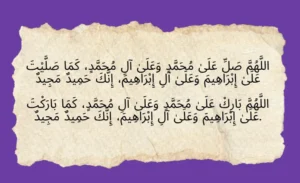
- Send blessings upon Prophet Muhammad (PBUH), as this is a recommended etiquette of dua.
- Ask Allah sincerely with a humble heart, expressing your true feelings without hesitation.
- Be specific in your requests so you clearly know what you are asking for from Allah.
- Repeat important duas or requests, as repetition reflects sincerity and need.
- Trust Allah’s wisdom, knowing that He responds in the best way and at the best time.
- Remain patient, as answers to the dua may come immediately, later, or in ways better than expected.
Dua is about connection, not performance.
Conclusion
So, can I make dua in English? Yes, absolutely. Islam allows Muslims to make personal dua in English and other languages without any restriction. In fact, supplication is permissible in any language, especially when it helps a person express sincerity, maintain focus, and build a heartfelt connection with Allah. Arabic remains beautiful and highly beneficial to learn, particularly for Quranic and Prophetic duas, but it is not a requirement for personal supplication. What matters most is the sincerity of the heart and the humility of the servant before Allah.
Allah hears every language, every whisper, every silent prayer, and every tearful request. Nothing is hidden from Him, and nothing is beyond His understanding. Therefore, a believer should speak to Allah sincerely in the language their heart understands best, without delay or hesitation. May Allah accept all our duas, regardless of language, and keep our hearts always connected to Him. Ameen.
FAQs
Can I make dua in English?
Yes, Muslims can make personal dua in English and any language.
Is dua permissible in other languages?
Yes, dua is permissible in other languages outside the required Arabic recitations.
Does Allah accept English dua?
Yes. Allah understands and hears all languages.
Do I need Arabic to make dua?
No. Arabic is not required for personal supplication.
Is Arabic better for dua?
Arabic Quranic and Prophetic duas are beneficial, but sincerity matters most.