Durood-e-Ibrahimi is one of the most well-known and important forms of sending blessings upon Prophet Muhammad (PBUH). Muslims recite it during Salah, especially in the sitting portion of prayer, and many also recite it outside Salah as an act of remembrance, love, and obedience. The practice of sending blessings upon the Prophet Muhammad (PBUH) is strongly established in the Quran and Sunnah. Allah Himself commands the believers to send blessings and peace upon His Messenger. For this reason, reciting Durood-e-Ibrahimi is not simply a traditional practice. It is connected to a clear Quranic command and the teachings of Prophet Muhammad (PBUH).
This article explains the top 12 benefits of reciting Durood-e-Ibrahimi, its meaning, its Arabic text, transliteration, English translation, importance in Salah, and practical ways Muslims can include Durood in their daily lives. The goal is not only to understand the words of Durood-e-Ibrahimi but also to understand the spiritual meaning behind sending blessings upon Prophet Muhammad (PBUH).
What Is Durood-e-Ibrahimi?
Durood-e-Ibrahimi, also known as Salat al-Ibrahimiyyah, is the supplication that Muslims recite after Tashahhud in Salah before concluding the prayer with Salam. It is called Durood-e-Ibrahimi because it mentions Prophet Ibrahim (AS) and his family and asks Allah to bless Prophet Muhammad (PBUH), his family, Prophet Ibrahim (AS), and his family.
The Prophet Muhammad (PBUH) taught his Companions how to send blessings upon him. One of the authentic narrations explaining this is found in Sahih al-Bukhari and Sahih Muslim. When the Companions asked the Prophet Muhammad (PBUH) how they should send blessings upon him, he taught them the wording that Muslims commonly know today as Durood-e-Ibrahimi.
Durood-e-Ibrahimi in Arabic:
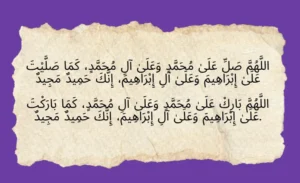
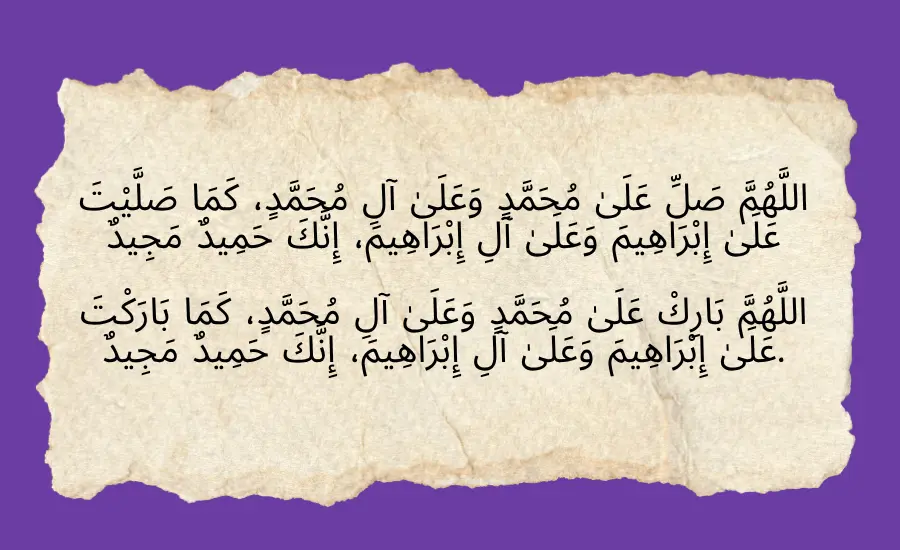
اللَّهُمَّ صَلِّ عَلَىٰ مُحَمَّدٍ وَعَلَىٰ آلِ مُحَمَّدٍ، كَمَا صَلَّيْتَ عَلَىٰ إِبْرَاهِيمَ وَعَلَىٰ آلِ إِبْرَاهِيمَ، إِنَّكَ حَمِيدٌ مَجِيدٌ
اللَّهُمَّ بَارِكْ عَلَىٰ مُحَمَّدٍ وَعَلَىٰ آلِ مُحَمَّدٍ، كَمَا بَارَكْتَ عَلَىٰ إِبْرَاهِيمَ وَعَلَىٰ آلِ إِبْرَاهِيمَ، إِنَّكَ حَمِيدٌ مَجِيدٌ
Durood-e-Ibrahimi Transliteration:
Allahumma salli ala Muhammadin wa ala ali Muhammad, kama sallaita ala Ibrahima wa ala ali Ibrahim, innaka Hamidum Majid.
Allahumma barik ala Muhammadin wa ala ali Muhammad, kama barakta ala Ibrahima wa ala ali Ibrahim, innaka Hamidum Majid.
English Translation:
O Allah, send Your blessings upon Muhammad and upon the family of Muhammad, as You sent Your blessings upon Ibrahim and upon the family of Ibrahim. Indeed, You are Praiseworthy, Glorious.
O Allah, bless Muhammad and the family of Muhammad, as You blessed Ibrahim and the family of Ibrahim. Indeed, You are Praiseworthy, Glorious.
This beautiful supplication combines praise of Allah, love for the Prophet Muhammad (PBUH), and a request for Allah’s blessings upon His Messenger and his family.
Quranic Evidence for Sending Blessings Upon the Prophet
Allah clearly commands believers to send blessings and peace upon Prophet Muhammad (PBUH). Allah says in the Quran:
Arabic: إِنَّ اللَّهَ وَمَلَائِكَتَهُ يُصَلُّونَ عَلَى النَّبِيِّ ۚ يَا أَيُّهَا الَّذِينَ آمَنُوا صَلُّوا عَلَيْهِ وَسَلِّمُوا تَسْلِيمًا
Transliteration: Inna Allaha wa mala’ikatahu yusalloona alan-nabiyy. Ya ayyuhal-lazeena amanoo salloo alayhi wa sallimoo tasleema.
English translation: “Indeed, Allah and His angels send blessings upon the Prophet. O believers, send blessings upon him and ask Allah to grant him peace.” – Quran 33:56
This verse establishes the importance of sending Salat and Salam upon Prophet Muhammad (PBUH). It is one of the strongest Quranic foundations for the practice of Durood.
12 Benefits of Reciting Durood-e-Ibrahimi
There are many spiritual benefits associated with sending blessings upon Prophet Muhammad (PBUH). The following twelve benefits are based primarily on the Quranic command and authentic teachings of the Prophet (PBUH).
1. It Is Obedience to Allah’s Command
One of the greatest benefits of reciting Durood is that it allows a believer to act upon the command of Allah in Surah Al-Ahzab. Allah says that He and His angels send blessings upon the Prophet and then commands believers to do the same.
When a Muslim recites Durood with sincerity, they are responding to this divine command. This makes sending blessings upon Prophet Muhammad (PBUH) an important part of Islamic remembrance and worship. It also reminds believers that loving and honoring the Messenger of Allah is part of faith.
2. Allah Sends Ten Blessings Upon the Person Who Sends One Blessing
One of the most important hadiths about the virtues of Durood explains that Allah rewards the believer greatly for sending blessings upon the Prophet Muhammad (PBUH). The Prophet (PBUH) said:
Arabic: مَنْ صَلَّى عَلَيَّ وَاحِدَةً صَلَّى اللَّهُ عَلَيْهِ بِهَا عَشْرًا
Transliteration: Man salla alayya wahidatan sallallahu alayhi biha ashran.
English translation: “Whoever sends blessings upon me once, Allah sends blessings upon him ten times.” – Reference: Sahih Muslim
This is a remarkable reward. A believer may say Durood only once, yet Allah grants ten blessings in return. This encourages Muslims to make Salawat upon the Prophet (PBUH) part of their daily remembrance.
3. It Brings Blessings and Mercy From Allah
The hadith above shows that sending blessings upon Prophet Muhammad (PBUH) results in blessings from Allah. The believer’s Durood is therefore not simply an expression of love for the Prophet. It is also an act through which the believer receives Allah’s blessings.
This is one reason Muslims regularly recite Durood after Salah, during gatherings, while making dua, and during their daily remembrance. A small act of worship can carry a great spiritual reward when performed sincerely for Allah.
4. It Helps Strengthen Love for Prophet Muhammad (PBUH)
Love for Prophet Muhammad (PBUH) is an important part of a Muslim’s faith. The more a person remembers the Prophet, studies his life, learns his Sunnah, and sends blessings upon him, the stronger their connection to his teachings can become. Durood-e-Ibrahimi repeatedly brings the Prophet’s name to the believer’s heart and tongue.
When Muslims understand what they are reciting, Durood can become more than words. It can remind them of the sacrifices, patience, mercy, character, and guidance of Prophet Muhammad (PBUH). This remembrance can encourage a believer to follow the Sunnah in everyday life.
5. It Is a Means of Receiving Allah’s Blessings
Sending Durood is a simple form of worship that can be performed almost anywhere. A Muslim can recite Durood while walking, sitting, traveling, waiting, or completing ordinary daily activities. The hadith stating that Allah sends ten blessings upon the person who sends one blessing shows the generosity connected with this act.
For someone seeking spiritual growth, regularly reciting Durood can become an easy and meaningful habit. The important point is to recite it sincerely and understand that the reward comes from Allah.
6. It Encourages the Remembrance of Prophet Muhammad (PBUH)
Modern life can become busy and distracting. Muslims are therefore encouraged to maintain regular remembrance of Allah and keep their hearts connected to Islamic teachings. Durood provides an easy way to remember Prophet Muhammad (PBUH) throughout the day. Every time a believer recites “Allahumma salli ala Muhammad”, they are reminded of the Messenger of Allah.
This remembrance can encourage a person to think about his Sunnah, manners, patience, worship, kindness, and relationship with Allah.
7. It Can Be Included in Dua
Sending blessings upon Prophet Muhammad (PBUH) is closely connected with the etiquette of making dua. The Prophet (PBUH) taught believers important principles concerning dua, including praising Allah and sending blessings upon the Prophet. A famous narration reports that the Prophet (PBUH) heard a man making dua without praising Allah or sending blessings upon the Prophet, so he explained that the person had been hasty. The hadith demonstrates the importance of beginning one’s supplication with praise of Allah and Salat upon the Prophet (PBUH).
Therefore, many Muslims make Durood part of their dua routine. A simple structure is:
- Praise Allah.
- Send blessings upon Prophet Muhammad (PBUH).
- Ask Allah for your needs.
- Again send blessings upon Prophet Muhammad (PBUH).
This reflects a respectful approach to making dua.
8. It Helps a Muslim Develop a Habit of Dhikr
Dhikr means remembering Allah. Although Durood specifically involves sending blessings upon Prophet Muhammad (PBUH), it is a form of remembrance connected with worship and obedience to Allah. Creating a daily Durood habit can help Muslims dedicate a few moments of their day to spiritual remembrance.
For example, a person might recite Durood:
- After Fajr
- After Maghrib
- After Isha
- During free time
- While traveling
- Before making dua
- On Friday
- When the Prophet Muhammad (PBUH) is mentioned
The exact number does not need to become a source of stress. The goal is consistency, sincerity, and remembrance.
9. It Is Especially Important When the Prophet’s Name Is Mentioned
Prophet Muhammad (PBUH) taught Muslims to send blessings upon him when his name is mentioned. The believer should therefore develop the habit of saying:
Sallallahu alayhi wa sallam
meaning:
May Allah’s blessings and peace be upon him.
This is a beautiful expression of respect and love. Regular Durood also helps Muslims become more conscious of this Sunnah.
10. It Is a Simple Act With Great Reward
One of the beautiful aspects of Durood is its simplicity. A Muslim does not need special equipment, a particular location, or a long period of preparation to send blessings upon the Prophet Muhammad (PBUH). It can be recited in a few moments.
Yet the authentic hadith states that Allah sends ten blessings upon the person who sends one blessing upon the Prophet. This teaches an important Islamic principle: Allah can place tremendous reward in small acts of sincere worship. A person should therefore never underestimate simple forms of remembrance.
11. It Connects Muslims With the Sunnah
The Durood taught by Prophet Muhammad (PBUH) is itself an example of the Sunnah. The Companions asked the Prophet how they should send blessings upon him, and he taught them the wording.
Learning and reciting Durood-e-Ibrahimi therefore connects Muslims with the teachings passed down through the Sunnah. It also reminds Muslims that worship should be learned from authentic Islamic sources. This is especially important when learning duas, adhkar, and other forms of worship.
12. It Strengthens Spiritual Reflection and Gratitude
Durood-e-Ibrahimi is not only a supplication. It is also an opportunity to reflect. When a Muslim recites it slowly and understands its meaning, they can think about the blessings of Islam and the guidance Allah gave humanity through His Messenger. The Prophet Muhammad (PBUH) taught people how to worship Allah, develop good character, treat others with mercy, establish justice, maintain family relationships, and live according to divine guidance.
Reciting Durood can therefore become a moment of gratitude. It reminds Muslims of the importance of following the Messenger and appreciating the guidance brought through him.
Durood-e-Ibrahimi and Salah
Durood-e-Ibrahimi has a special place in Salah. Muslims commonly recite it after Tashahhud in the final sitting of prayer before Salam. This makes Durood-e-Ibrahimi a familiar part of the daily worship of millions of Muslims around the world. The fact that the Prophet Muhammad (PBUH) taught his Companions how to send blessings upon him shows the importance of learning the correct wording. For new Muslims and beginners, learning Durood-e-Ibrahimi is an important part of learning Salah.
Durood-e-Ibrahimi on Friday
Friday has a special status in Islam, and sending abundant blessings upon Prophet Muhammad (PBUH) on Friday is encouraged. The Prophet (PBUH) said:
Arabic: إِنَّ مِنْ أَفْضَلِ أَيَّامِكُمْ يَوْمَ الْجُمُعَةِ فَأَكْثِرُوا عَلَيَّ مِنَ الصَّلَاةِ فِيهِ
Transliteration: Inna min afdali ayyamikum yawmal-jumu’ati fa akthiroo alayya minas-salati feehi.
English translation: “Among the best of your days is Friday, so send abundant blessings upon me on that day.” – Reference: Sunan Abi Dawud
This makes Friday an excellent opportunity to increase Durood and remember Prophet Muhammad (PBUH).
How Many Times Should You Recite Durood-e-Ibrahimi?
There is no need to make an unsupported claim that a particular fixed number guarantees a particular worldly result. A Muslim can recite Durood as much as they reasonably can while maintaining sincerity and understanding. The authentic hadith establishes that whoever sends one blessing upon the Prophet receives ten blessings from Allah. Therefore, even one sincere recitation has great virtue.
The best approach is to develop a consistent habit rather than becoming overly concerned about numbers. For example, you could make Durood part of your morning and evening routine, recite it after Salah, or increase it on Friday.
Can You Recite Durood-e-Ibrahimi Outside Salah?
Yes. Sending blessings upon Prophet Muhammad (PBUH) is not restricted to Salah. A Muslim can send Salat and Salam upon the Prophet during ordinary daily life. You can recite Durood while sitting at home, traveling, waiting for an appointment, or before making dua.
However, Muslims should always maintain respect when mentioning the Prophet Muhammad (PBUH) and should avoid treating Durood as a magical formula for guaranteed worldly outcomes. Its greatest purpose is worship, remembrance, love, respect, and following the guidance of Allah and His Messenger.
Important Islamic Reminder About the Benefits of Durood
It is important to distinguish between benefits established by authentic Quranic verses and Hadith and claims that circulate without reliable evidence. There are many popular statements online claiming that reciting a particular number of Durood will definitely solve a specific financial problem, guarantee marriage, cure a particular illness, or produce a particular worldly outcome.
Such claims should not automatically be attributed to Islam. The authentic teachings already provide powerful reasons to recite Durood. Allah commands believers to send blessings upon the Prophet, and the Prophet Muhammad (PBUH) taught that Allah sends ten blessings upon the person who sends one blessing upon him. Muslims should be content with authentic promises and avoid presenting unsupported claims as religious teachings.
Practical Ways to Make Durood Part of Your Daily Routine
Developing a regular habit can make Durood easier to maintain.
- After Every Salah: After completing your prayer, take a moment to remember Allah and send blessings upon Prophet Muhammad (PBUH).
- During Your Morning Routine: Include Durood in your morning remembrance. Even a few sincere recitations can help you begin your day with remembrance.
- Before Making Dua: Praise Allah, send blessings upon the Prophet, make your dua, and conclude with blessings upon the Prophet.
- On Friday: Increase your Durood on Friday in accordance with the Prophetic encouragement to send abundant blessings upon the Messenger.
- While Traveling: Travel often includes periods of waiting. These moments can be used for beneficial remembrance instead of unnecessary distractions.
- When You Hear the Prophet’s Name: Say “Sallallahu alayhi wa sallam” This keeps the Sunnah alive in your daily speech.
Spiritual Lessons From Durood-e-Ibrahimi
Durood-e-Ibrahimi teaches several important lessons. These include:
- First, it teaches respect for Prophet Muhammad (PBUH).
- Second, it reminds Muslims that all blessings ultimately come from Allah.
- Third, it connects the Muslim Ummah with the Prophets Ibrahim (AS) and Muhammad (PBUH).
- Fourth, it teaches believers to remember Allah and His Messenger regularly.
- Finally, it encourages gratitude for the guidance brought through Prophet Muhammad (PBUH).
A believer should not recite Durood only with the tongue. Understanding its meaning can make the act more personal and spiritually meaningful.
Conclusion
Durood-e-Ibrahimi is a beautiful and meaningful supplication with a special place in Islamic worship. It is part of Salah, was taught by Prophet Muhammad (PBUH), and reflects the Quranic command to send blessings and peace upon the Messenger of Allah. The 12 benefits of reciting Durood-e-Ibrahimi include responding to Allah’s command, receiving Allah’s blessings, strengthening love for Prophet Muhammad (PBUH), developing a habit of remembrance, connecting with the Sunnah, and gaining the tremendous reward mentioned in authentic Hadith.
The Prophet Muhammad (PBUH) said that whoever sends one blessing upon him, Allah sends ten blessings upon that person. This should encourage every Muslim to make Salat upon the Prophet a regular part of life. Durood does not need to be complicated. Learn its meaning, recite it sincerely, remember Prophet Muhammad (PBUH), and allow that remembrance to encourage you to follow his Sunnah.
May Allah help us remember Him often, love and follow His Messenger, increase our beneficial knowledge, and accept our worship. Ameen.
FAQs
1. What is Durood-e-Ibrahimi?
Durood-e-Ibrahimi is a supplication taught by Prophet Muhammad (PBUH) in which Muslims ask Allah to send blessings upon Prophet Muhammad (PBUH) and his family, just as Allah blessed Prophet Ibrahim (AS) and his family.
2. What are the benefits of reciting Durood-e-Ibrahimi?
Among the established virtues of sending blessings upon Prophet Muhammad (PBUH) is that Allah sends ten blessings upon a person who sends one blessing upon the Prophet. It is also an act of obedience to Allah’s command and helps strengthen love and remembrance of the Prophet.
3. Is Durood-e-Ibrahimi recited in Salah?
Yes. Durood-e-Ibrahimi is recited in the final sitting of Salah after Tashahhud and before Salam according to the well-known practice taught in the Sunnah.
4. Can I recite Durood-e-Ibrahimi outside Salah?
Yes. Muslims can send blessings upon Prophet Muhammad (PBUH) outside Salah as an act of remembrance and worship.
5. How many times should I recite Durood-e-Ibrahimi?
There is no need to claim an unsupported fixed number for a specific worldly result. You can recite Durood regularly according to your ability. The authentic hadith establishes that Allah sends ten blessings upon the person who sends one blessing upon the Prophet.
6. Is Friday a good day to recite more Durood?
Yes. Prophet Muhammad (PBUH) specifically encouraged Muslims to send abundant blessings upon him on Friday. Therefore, Friday is an excellent opportunity to increase Durood and remember the Messenger of Allah.